
A good workout does more than challenge your muscles. It also creates a need for rest and recovery. Whether you are finishing a strength session, home workout, or stretching routine, giving your body time to recover can help you stay consistent and ready for your next session.
Post-workout recovery does not have to be complicated. A few simple habits, including gentle movement, hydration, proper nutrition, stretching, and quality sleep, can help support your body after exercise.
Give Your Body Time to Cool Down
Once your workout is finished, avoid stopping suddenly and immediately returning to your normal activities. Spend a few minutes gradually reducing your activity level.
Walking slowly, taking relaxed breaths, and performing gentle movements can provide a smooth transition after exercise. A cooldown can also be a useful opportunity to check how your body feels before moving on with the rest of your day.
Use Gentle Stretching
Stretching can be a comfortable way to wind down after exercise. Focus on the muscle groups you used during your workout and move slowly without forcing a stretch.
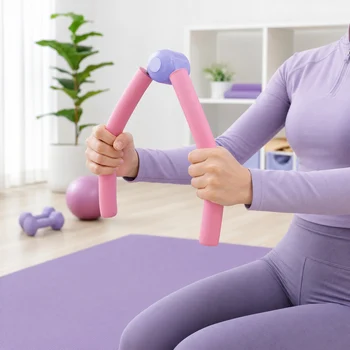
You can use an exercise or yoga mat to create a comfortable surface while performing seated or floor-based stretches. Keep each movement controlled and avoid bouncing or pushing into painful positions.
The goal is to encourage relaxed movement rather than turn your cooldown into another intense workout.
Keep Moving on Recovery Days
Rest does not always mean remaining completely inactive. Gentle activities such as walking, light mobility exercises, or easy stretching can help you stay comfortable while taking a break from demanding workouts.
The amount of activity you need depends on your fitness level and how your body feels. If you are particularly tired or sore, giving yourself more time to rest may be appropriate.
Learning to recognize when your body needs a lighter day is an important part of building a sustainable fitness routine.
Replenish After Exercise
Your body uses energy and fluids during exercise, so post-workout habits should include replacing what you have used.
Drink enough water throughout the day, particularly after activities that make you sweat. Eating balanced meals and snacks can also provide nutrients that support your body’s normal recovery processes.
You do not necessarily need complicated recovery products. Consistent hydration and a balanced diet can form the foundation of good post-workout habits.
Consider Foam Rolling and Self-Massage
Foam rollers and other self-massage tools can be incorporated into a recovery routine. Gentle rolling may help you relax and become more aware of areas that feel tight after exercise.
Move slowly and avoid putting excessive pressure on painful areas. Foam rolling should feel manageable rather than like another demanding exercise.
If a particular area continues to hurt or feels injured, it is better to stop rather than trying to work through the discomfort.
Make Sleep Part of Your Recovery Plan
Sleep is an important part of overall fitness and recovery. Your body needs adequate rest after physical activity, especially when you are exercising regularly.
Try to maintain a consistent sleep schedule and create a comfortable environment that allows you to wind down at night. Good sleep habits can support your energy levels and make it easier to approach your next workout with focus.
Recovery is not something that happens only immediately after exercise. It continues throughout the hours between workouts.
Adjust Your Training When Needed
Not every workout needs to feel equally challenging. If you are unusually tired, experiencing significant soreness, or struggling to maintain proper form, consider reducing the intensity or taking additional rest.
A sustainable fitness routine should leave room for adjustments. Progress comes from balancing exercise with enough recovery rather than constantly pushing your limits.
Pay attention to persistent or unusual pain. If discomfort does not improve or you suspect an injury, consider seeking advice from an appropriate healthcare professional.
Make Recovery a Regular Habit
Recovery works best when it becomes part of your normal fitness routine rather than something you think about only after a particularly difficult workout.
Take a few minutes to cool down, stay hydrated, eat balanced meals, get enough sleep, and give your body appropriate rest between demanding sessions. Simple habits can make recovery easier to manage and help you maintain a more consistent approach to exercise.
Taking care of your body after a workout is just as important as showing up for the workout itself. A balanced approach to training and recovery can help you keep moving toward your fitness goals with greater confidence and consistency.
Explore fitness essentials that can support your workout and recovery routine.






0 Comments