
When it comes to strength training, our hands often take on more than we realize. They are not only the connectors between our bodies and the equipment, but they also bear the brunt of pressure, friction, and repetitive motion. This constant demand can leave hands vulnerable to a range of issues, from calluses and blisters to strains and reduced grip strength. Recognizing these vulnerabilities is the first step in safeguarding your hands and ensuring long-term progress in your fitness journey.
Why Hands Are at Risk
Constant Pressure: Lifting weights, using resistance bands, or gripping pull-up bars all place repetitive stress on the sensitive skin and small muscles of the hands.
Friction and Shearing: The combination of sweat and movement can cause skin irritation, blisters, or even tears, especially during high-repetition or heavy-lifting routines.
Fatigue: As grip strength diminishes mid-workout, form can suffer, increasing the risk of dropping weights or sustaining minor injuries.
Early Warning Signs
Watch for telltale signs such as lingering soreness, developing calluses, or a weakened grip during daily activities. Ignoring these symptoms can lead to more serious setbacks, including chronic pain or loss of hand function.
Understanding these risks empowers you to take proactive steps to protect your hands and maintain grip strength, setting a solid foundation for safer, more effective workouts. Explore our product collection for tools designed to support your training needs.
Common Causes of Hand Discomfort and Injury
Our hands are incredible tools, but they’re also vulnerable to a range of discomforts and injuries. Understanding the most frequent causes is the first step in keeping them healthy and maintaining reliable grip strength. Everyday activities, from typing on a keyboard to carrying groceries, can put repetitive strain on the hands. Over time, this repeated motion may lead to conditions like carpal tunnel syndrome or tendonitis, which are characterized by pain, tingling, and reduced dexterity.
Key Contributors to Hand Discomfort
Repetitive Motions: Actions such as texting, typing, or even certain fitness routines can stress tendons and nerves.
Poor Ergonomics: Working at a desk without proper wrist support, or lifting weights incorrectly, may contribute to strain or injury.
Sudden Impact: Falls or accidentally hitting a hard surface can result in bruises, sprains, or even fractures.
Underlying Health Conditions: Issues like arthritis or diabetes can make hands more susceptible to discomfort and injury.
It’s important to notice early warning signs—such as persistent soreness, numbness, or weakness—and address them proactively. By staying mindful of these common causes, you can take meaningful steps to protect your hands and support long-term grip strength.
Explore our product collection to find solutions designed to keep your hands strong and healthy.
Protective Techniques for Hand Safety Without Compromising Grip
Maintaining healthy, strong hands is essential for everyone, from fitness enthusiasts to those who rely on manual precision in their daily routines. However, protecting your hands doesn’t mean sacrificing dexterity or grip strength. By choosing the right protective techniques and tools, you can shield your hands from injury while ensuring peak performance and comfort.
Choose the Right Hand Protection
Opt for protective gear specifically designed to maintain grip. For example, workout gloves with textured palms offer cushioning against friction and calluses but still allow your hands to securely grasp weights or equipment. Look for gloves that balance padding and flexibility, ensuring you never feel disconnected from your activity.
Incorporate Smart Training Habits
Warm-Up and Stretch: Always start with gentle stretches for your fingers, wrists, and forearms to prepare muscles and joints for activity.
Gradual Progression: Increase the intensity or load of gripping activities over time, giving your hands time to adapt and build resilience.
Mind Your Technique: Pay attention to proper form to avoid overuse injuries or unnecessary strain.
Practice Regular Hand Care
After strenuous tasks, take time to massage your hands and apply moisturizer. This not only soothes tired muscles but also helps prevent dryness and cracking, both of which can undermine your grip. If you notice any persistent discomfort or signs of injury, allow time for rest and recovery.
By implementing these protective strategies, you can safeguard your hands and maintain strong, reliable grip strength for all your daily and fitness pursuits. Explore our product collection for more tools to support your hand health and performance.
Recommended Accessories for Enhanced Grip and Protection
Maintaining strong grip and safeguarding your hands are essential for anyone engaged in regular fitness routines or physically demanding activities. Whether you’re lifting weights, practicing yoga, or simply working on hand-intensive tasks, the right accessories can make all the difference. Investing in quality gear not only helps prevent injuries like blisters and calluses but also ensures you maintain peak performance by improving your grip strength and comfort.
Top Accessories to Consider
- Grip Gloves: Designed with padded palms and breathable fabrics, grip gloves provide both protection and enhanced grip. They’re perfect for weightlifting, cycling, or any activity where hands face repetitive stress.
- Wrist Wraps: These supportive bands stabilize your wrists during heavy lifts, reducing strain and safeguarding joints. Wrist wraps can help you maintain proper form, especially during challenging sets.
- Chalk or Liquid Grip: For those who sweat during workouts, chalk or liquid grip products absorb moisture, preventing slips and improving hold on equipment like barbells or pull-up bars.
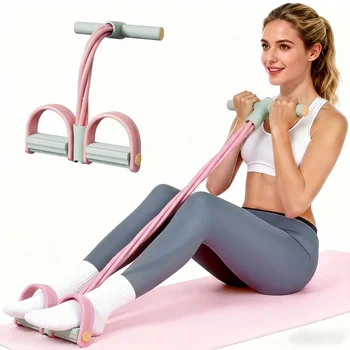
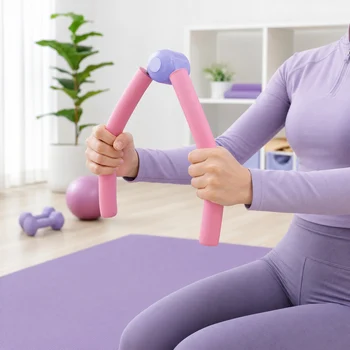
- Grip Trainers: Hand grippers and resistance bands can be used outside the gym to build finger and forearm strength, which is vital for a secure grip during more intense workouts.
Choosing the Right Gear
When selecting accessories, prioritize comfort, durability, and suitability for your preferred activities. Look for products with ergonomic designs and materials that allow for breathability and flexibility. Remember, the goal is not just to protect your hands but to empower you to achieve more with every session.
Explore our product collection for more ways to support your fitness journey.
Simple Ways to Maintain Healthy Hands After Workouts
After a tough workout, your hands deserve as much care as the rest of your body. Neglecting hand health can lead to discomfort, calluses, or even injury, which can impact your ability to maintain grip strength and continue progressing in your fitness journey. Fortunately, maintaining healthy hands doesn’t require complicated routines or expensive products—just a mindful approach and a few practical strategies.
Cleanse and Moisturize
Start by washing your hands with gentle soap and warm water after every workout. This removes sweat, chalk, and bacteria that can irritate the skin. Follow up with a nourishing moisturizer to keep your skin supple and help prevent dryness or cracking, especially if you use weightlifting equipment regularly.
Practice Proper Grip Technique
Use a relaxed grip and alternate grip positions during exercises to reduce unnecessary strain and distribute pressure evenly. Consider using gloves or grip pads to help prevent calluses and blisters.
Stretch and Strengthen
Dedicate a few minutes after each session to stretch your fingers, wrists, and forearms. Simple stretches can improve flexibility and reduce tension. Incorporate hand-strengthening exercises, such as using a stress ball or resistance bands, to support grip endurance and resilience.
Inspect and Care for Minor Injuries
Regularly check your hands for signs of cuts, tears, or excessive callusing. Treat minor issues promptly to avoid infection and ensure you can return to your workouts without interruption.
Prioritizing hand care ensures you maintain strong, healthy hands ready for every challenge. Explore our product collection for helpful hand care essentials and support your fitness routine from grip to finish.





0 Comments