
You do not need a dedicated gym room to stay active at home. A small corner, open wall area, or unused section of a room can become a practical workout space with a little planning. The key is to work with the space you already have instead of waiting for the perfect setup.
Whether you live in a small apartment or simply want to make better use of your available space, a compact workout area can make exercise easier to fit into your daily routine.
Start by Measuring Your Available Space
Before adding equipment, look at the area you want to use. Consider how much floor space you have and whether you can comfortably extend your arms, bend, squat, or lie down without hitting nearby furniture.
You do not need a huge area for many home exercises. Bodyweight movements, stretching, resistance-band exercises, and other compact activities can often be performed in a relatively small space.
Clear away unnecessary furniture or objects that could get in the way. A few minutes of preparation can make the area safer and more comfortable to use.
Choose Equipment That Saves Space
When working with limited room, avoid filling your workout area with equipment that only serves one purpose. Instead, choose versatile tools that can support several types of exercises.
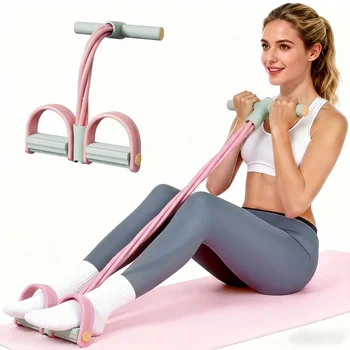
Resistance bands are particularly convenient because they are lightweight, easy to store, and suitable for many movements. A yoga or exercise mat can also provide a designated surface for stretching, core exercises, mobility work, and floor-based workouts.
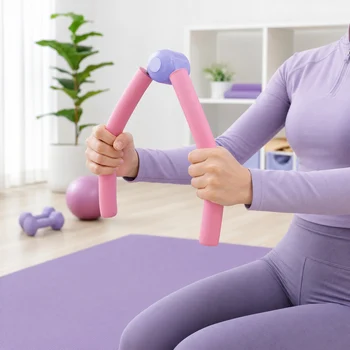
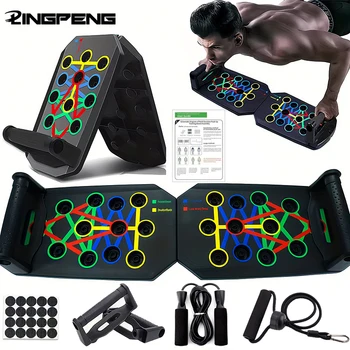
Small equipment can give you more exercise options without requiring permanent storage space.
Use Vertical Storage
Floor space is valuable in a small home, so look for ways to make use of your walls and other vertical areas.
A wall-mounted rack, hooks, shelf, or storage basket can help keep smaller workout accessories organized. Equipment that is used frequently can be stored somewhere easy to reach, while less frequently used items can be placed farther away.
Keeping your equipment organized also makes it easier to clear the workout area when you need the space for another activity.
Keep the Area Flexible
A small workout corner may need to serve more than one purpose. Perhaps it is part of your bedroom, living room, or home office. Instead of permanently dedicating the entire area to fitness, create a setup that can be quickly arranged and put away.
A rolled mat can be stored against a wall when you are finished. Resistance bands and other small accessories can fit into a compact container or drawer.
The easier it is to transform the space, the more practical it becomes for everyday use.
Make Comfort a Priority
Limited space should not mean sacrificing comfort. Pay attention to the surface beneath you, airflow, lighting, and the temperature of the room.
A mat can provide cushioning for exercises performed on the floor, while good ventilation can make workouts more comfortable. If possible, position your workout area where you have enough lighting to see your surroundings clearly.
Small improvements can make a noticeable difference in how inviting your workout corner feels.
Reduce Distractions
Your home can be full of distractions, from television screens to household chores. Try to create a clear visual boundary around your workout area, even if it is only a small section of a room.
Put away unnecessary items before exercising and keep the equipment you need within reach. This can help you spend less time preparing and more time actually moving.
You can also choose a regular time for workouts so that using the space becomes part of your routine.
Make the Most of Short Workouts
A small workout space can encourage you to focus on efficient exercises rather than complicated routines. You can combine movements such as squats, lunges, push-ups, resistance-band rows, glute bridges, and planks into a simple full-body session.
You can also use the area for shorter movement breaks throughout the day. A few minutes of stretching or mobility work can be easier to fit into a busy schedule than waiting for a long block of free time.
The goal is to create a space that supports regular movement, not to build a miniature commercial gym.
Let Your Space Grow With Your Routine
Your workout area does not need to be perfect from day one. Start with the essentials and adjust the setup as you learn what works best for you.
You may discover that you need more storage, a different mat, additional resistance, or simply a better way to organize your equipment. Make changes gradually rather than filling the space with items you may rarely use.
A small corner can be more than enough when it is designed around your actual fitness habits. With thoughtful organization and versatile equipment, almost any home can provide a convenient place to move, stretch, and stay active.
Make your space work harder for your fitness goals with simple, versatile workout essentials.




0 Comments